Are these the three toughest climbs in all of France?

Banner Image

Every year, there’s a few stages, moments or climbs that fans put in their diaries and riders circle in the road book. The ones that really matter. The ones where dreams get made – and usually shattered.

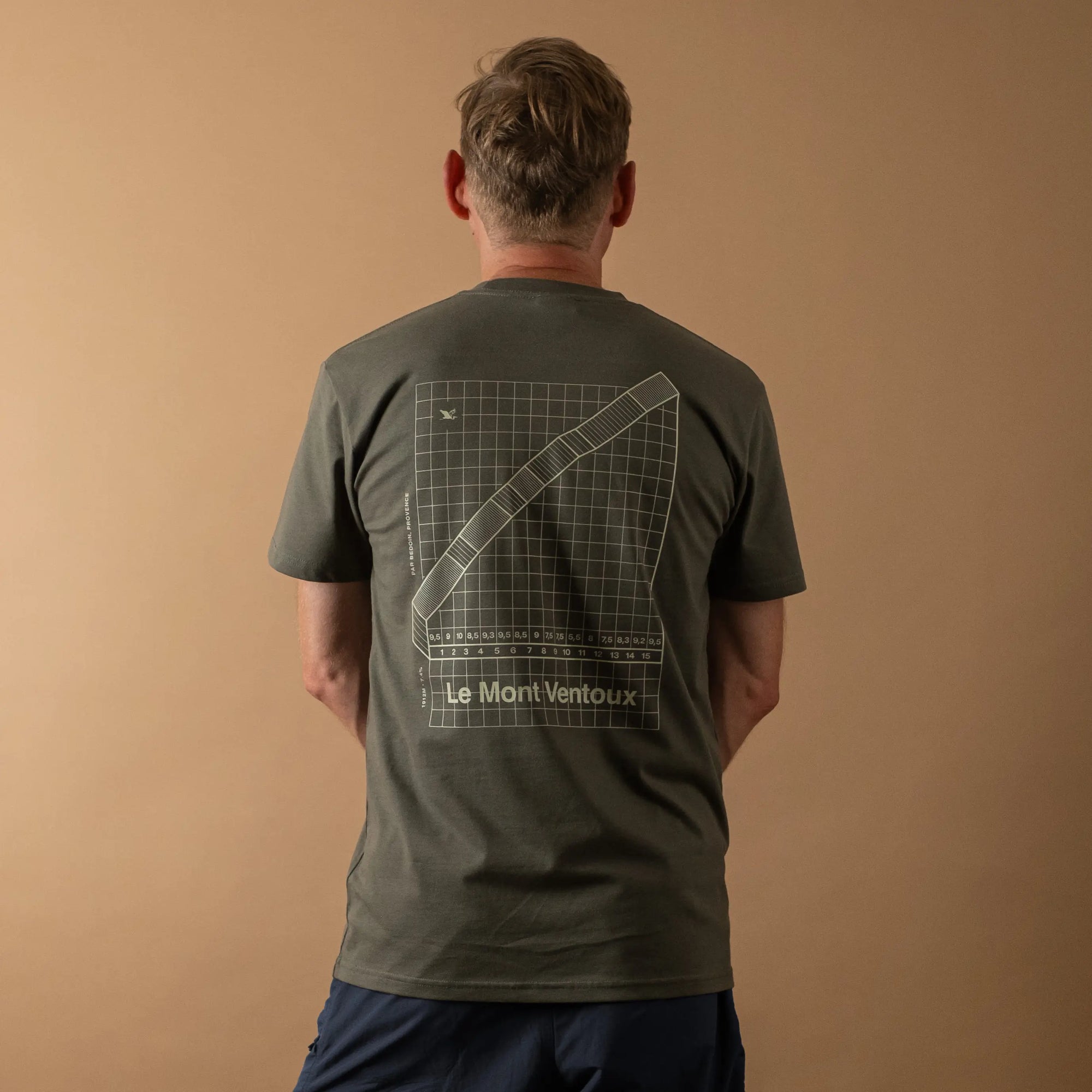
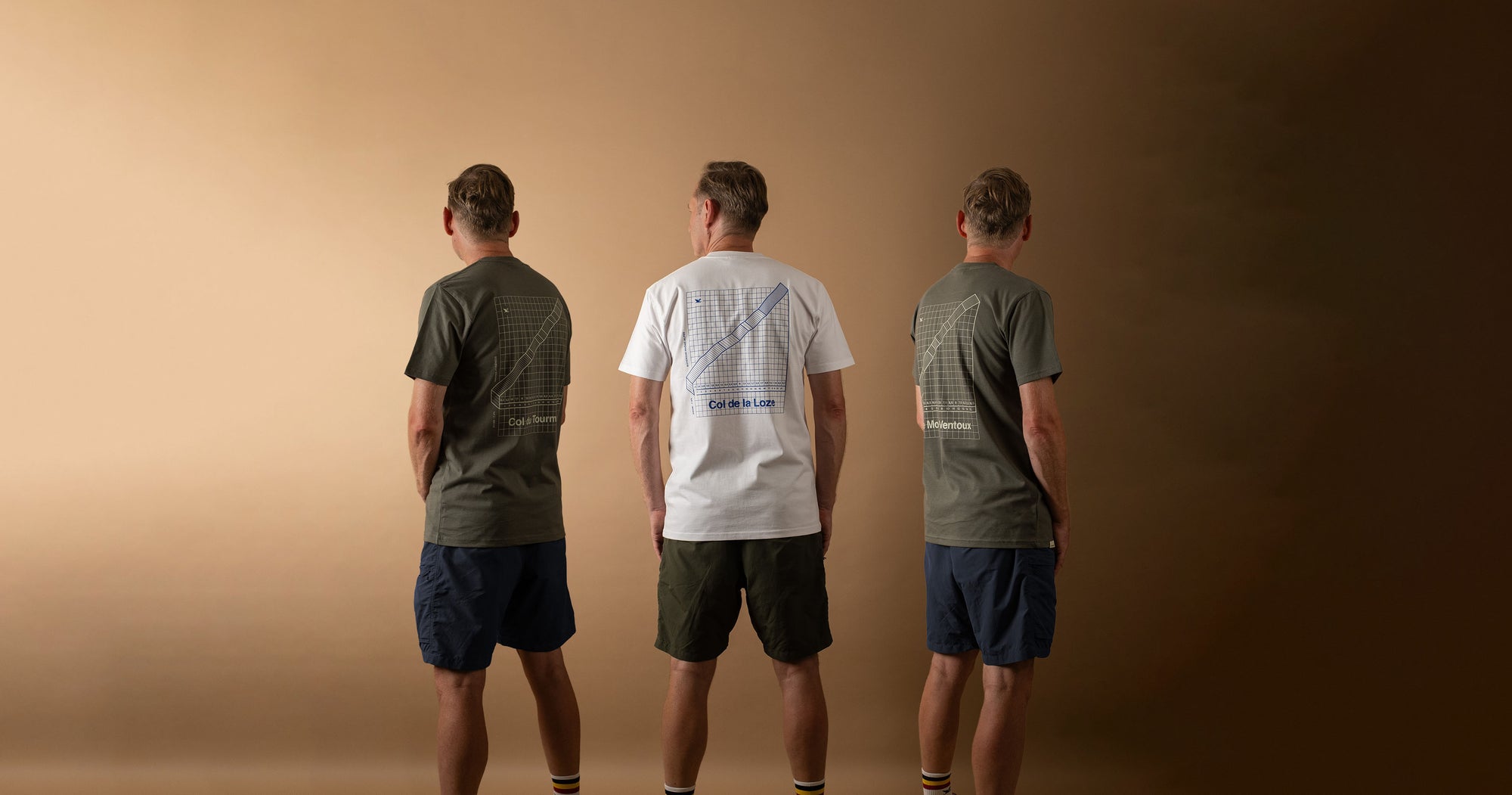
To mark this year’s Tour de France, we’ve created a new range of tees featuring three of the hardest hors catégorie climbs on the route. Each one features a beautifully detailed climb profile – distance, average gradient, elevation and gradient by kilometre – all visualised in a clean, outdoor-inspired design aesthetic.

The classic climb profile graphic made beautiful, with all the info you need to satisfy your inner data nerd.


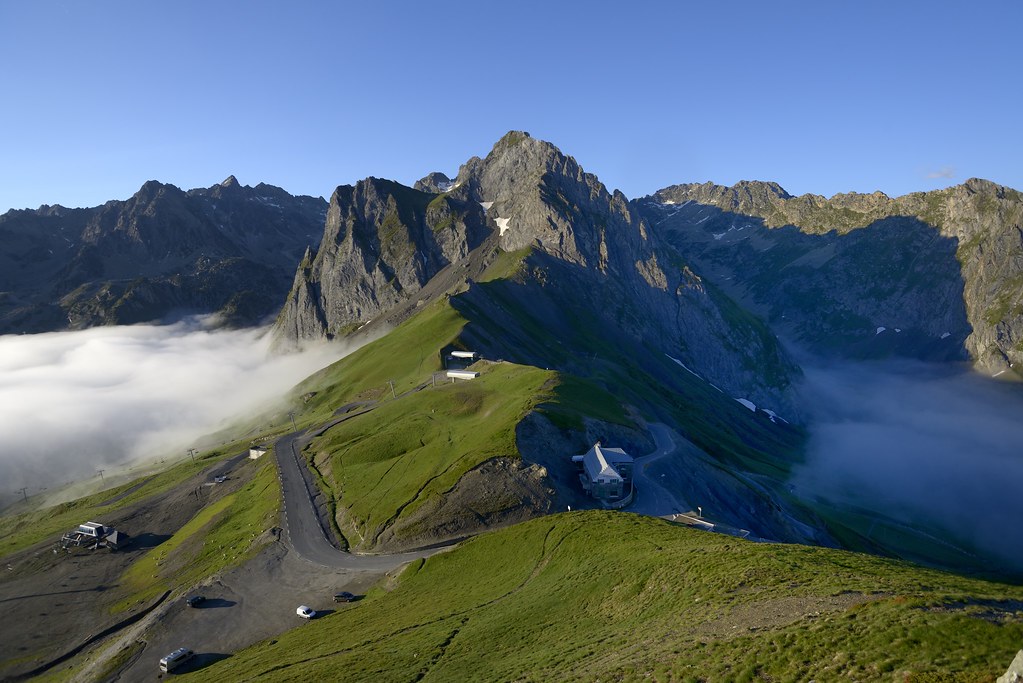
Col Du Tourmalet, alpine road made famous to cyclists by the Tour De France.

Col du Tourmalet

The original monster

It was 1910 when the Tour first went truly high. Octave Lapize dragged his bike over the gravel slopes of the Tourmalet and branded the organisers assassins. Riders were warned of bears. Roads were no more than goat tracks, gravelled at best – dusty in the heat, a quagmire in the rain. And all on a single, fixed gear (their poor, poor legs…).


It’s been climbed more than 80 times since, and every legend has cursed its cruel slopes. Hinault. Merckx. Coppi. This is where the race gets serious – a true test of legs, lungs and luck.


Our favourite memory? Philippa York (then Robert Millar), 1983.
Stage 10, Pau to Bagnères-de-Luchon. The classic “Circle of Death” route over Aubisque, Tourmalet, Aspin and Peyresourde. And a fresh-faced 24-year-old in their first Tour de France, born for the mountains.


York attacked on the Tourmalet’s upper slopes, sticking with Colombian Patrocinio Jiménez—one of the most feared climbers in the race. Jiménez crested the summit first, but York had the measure of him. She dropped him on the descent, flew over the Aspin, and soloed into Luchon for a landmark stage win.


It was a breakout performance from perhaps the purest climber the UK has ever produced. We’ll always associate York with the Pyrenees – there’s something about the forbidding mist and steep slopes that seemed to fit her style. The Tourmalet is perhaps the most legendary Tour climb of them all – a fitting place for York to announce her arrival on the biggest stage of all.


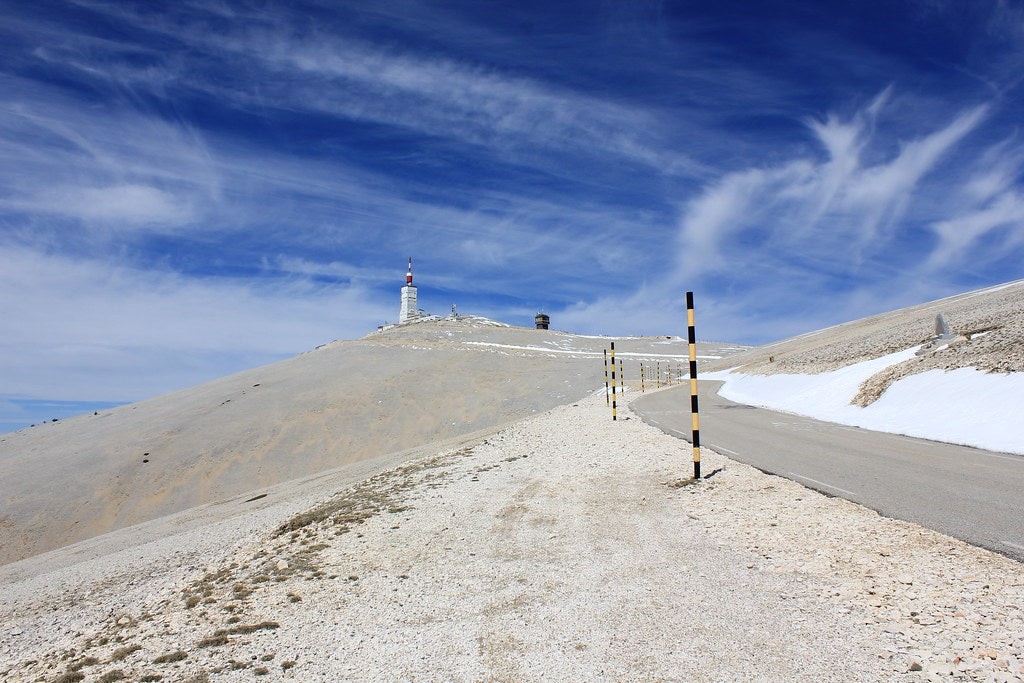
Mont Ventoux view to the top, a road made famous to cyclists by the Tour De France.

Mont Ventoux

The barren beast of Provence

There’s nothing else like it in cycling. The lower slopes are shaded and calm, but halfway up, the trees vanish – and the real climb begins.


What’s left is a world of wind-blasted rock. The infamous white scree reflects the heat. The Mistral does the rest. It’s a mountain to break riders, willpower and hearts.


Tom Simpson died here in 1967, suffering from heat, exhaustion and ambition. His memorial is passed by in silence, a nod, a glance, a memory. It’s never just a race on Mont Ventoux.


Our favourite memory? 2021 – the double ascent, and Wout van Aert’s masterpiece.
For the first time in Tour history, Ventoux was climbed twice in a single stage. A brute of a day with over 4,500m of climbing, finishing in Malaucène after a wild descent. Most expected it to be a day for the climbers. But then Wout van Aert happened.


He wasn’t supposed to win. He’s a sprinter, a classics man, a time trialist, a cyclocross world champion. But a Ventoux stage winner? Never. Yet there he was, bridging across to the break, holding on over the first ascent, then dropping them all on the second—riding solo to the finish with a gap that grew, not shrank.


Van Aert claimed Ventoux for Belgium that day – a rare victory for the Classics flatlanders over HC gravity.


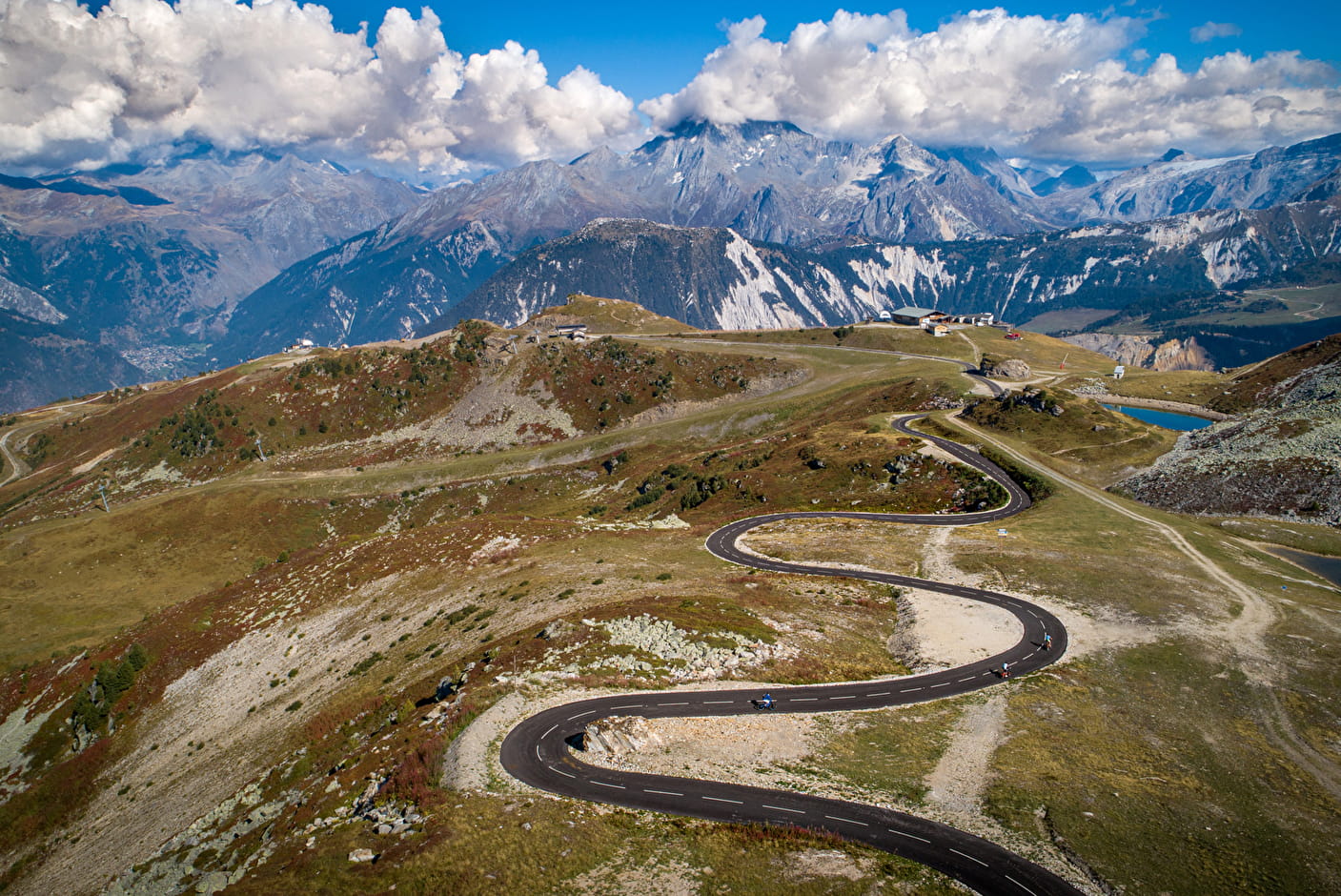
Winding mountain road of the Col De La Loze, a recent addition to the Tour De France.

Col de la Loze

The new king of pain

It’s a different type of challenge. A narrow bike path winding up to the ski resort of Méribel, paved not for glory but for gradients. And surely not designed to be raced…

The steep ramps come thick and fast – 12%, 15%, 18%, even 20% in places. Riders can’t find rhythm, while at home we’re reaching for the popcorn from the comfort of our couch. And then there’s the final two kilometres, a twisting, leg-snapping finish that turns the race into a slow-motion grind to the summit, and where a few metres on the road can stretch into full minutes on the GC.

If there’s one climb that will shape this year’s race, our money’s on this one.

Our favourite memory? The debut, 2020 – when the Loze broke the race wide open.
The Tour was reshaped in 2020, but the mountains didn’t lose their bite. Stage 17 was the queen stage that year, finishing on the Tour’s first-ever summit of the Col de la Loze. And the new climb delivered, and then some.

As the climb ramped into the final bike-path madness, it became less of a race and more of a war of attrition. Miguel Ángel López surged clear on the steepest sections, dancing up the 20% pitches while the GC favourites fought to limit their losses.

Pogačar and Roglič—still locked in a Slovenian two-step—couldn’t follow. Roglič clawed back some time on the flatter run-in to the line, but López had flown. It was a decisive win, a top-three shake-up, and proof that this strange, narrow strip of tarmac was one of the hardest finishes in Tour history. And it was only day one for the Col de la Loze.


Wear the climb

These are climbs that have shaped the Tour – and in turn, shaped the riders who’ve battled up them. Our new Climb Profile Tees celebrate them in a way that’s understated, intelligent and beautifully made.

Each tee is available in white or summer khaki, printed on our signature 220g heavyweight cotton. Durable, breathable, and tested to survive over 50 washes without fading or twisting out of shape. Trust us, we’ve tried.

Whether you’ve ridden them, dreamed of them, or followed every brutal gradient from your sofa, this is your chance to wear the climb – with all the data that counts, and none of the clichés.

Shop the T-shirts